
I still remember the month I made more money than ever before and somehow ended up with less in my bank account.
On paper, I was doing well. My income had increased. I felt productive. I was working harder than ever. And yet, by the end of the month, I was staring at my checking account wondering where it all went.
At first, I blamed expenses. Then I blamed inflation. Eventually, I realized something uncomfortable. The problem was not how much I made. The problem was that I had no systems. I was relying on willpower and motivation, and both of those disappear fast when life gets busy.
That is when I started building simple money systems that stick. Not complicated spreadsheets. Not extreme budgeting. Just small, repeatable structures that ran in the background of my life.
Here is exactly what changed everything for me.
1. I Faced My Numbers Without Drama
Before any system could work, I had to see the truth clearly.
For a long time, I avoided logging into my accounts unless I had to. However, avoidance creates anxiety. So instead, I scheduled a weekly money check in every Sunday evening. Nothing dramatic. Just thirty minutes.
During that time, I reviewed:
- Bank balances
- Credit card balances
- Upcoming bills
- Recent spending
If you need help understanding where your money goes, I recommend starting with the free budgeting tools from Consumer Financial Protection Bureau. Their worksheets are simple and beginner friendly.
For a quick snapshot of your spending percentages, you can also use the calculator from NerdWallet to see how your spending compares to recommended ranges.
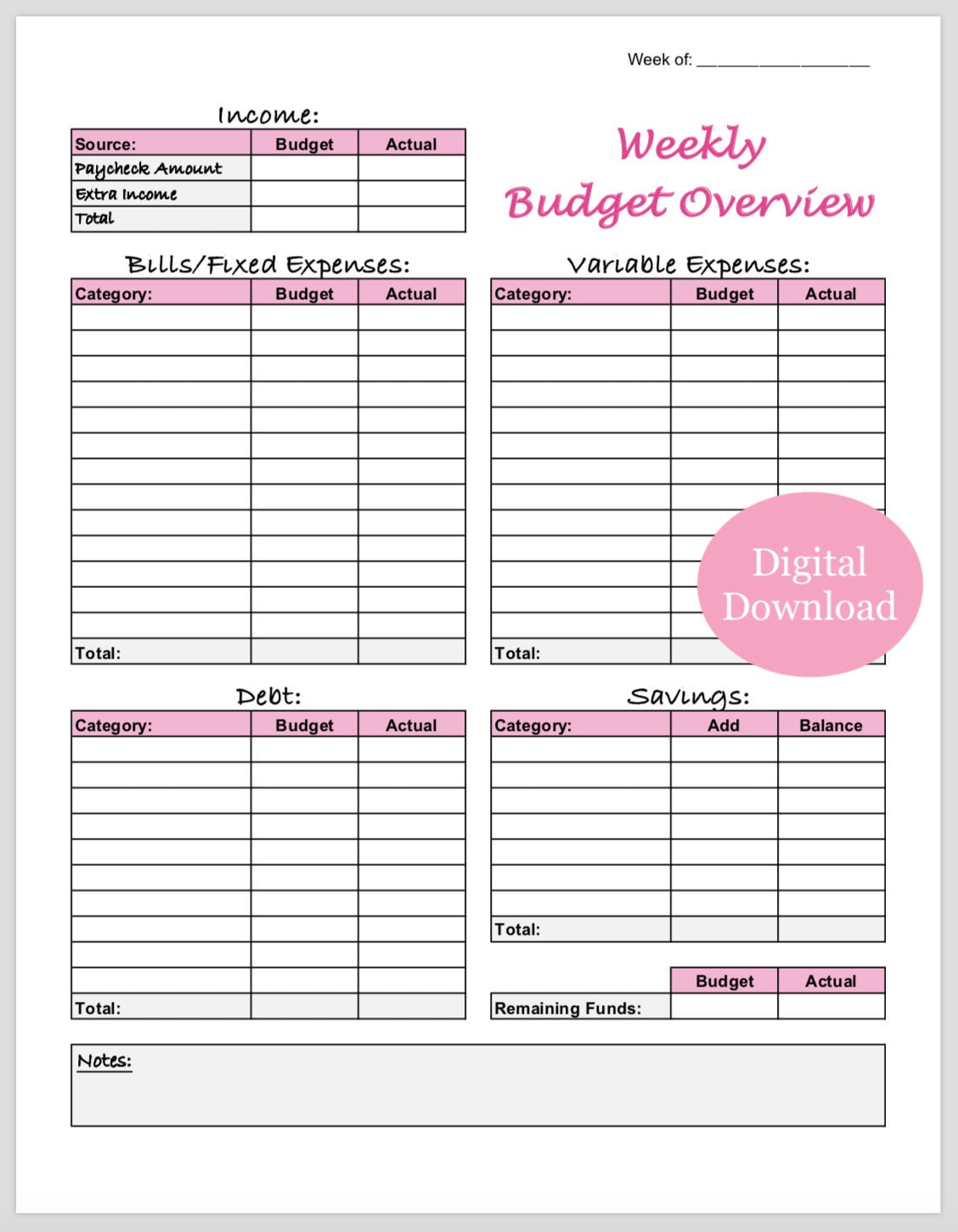
At first, this felt uncomfortable. However, over time, it became normal. And once the fear disappeared, clarity replaced it.
2. I Automated What I Could So I Did Not Rely on Willpower
Next, I realized something important. If I had to manually move money into savings every month, I would not do it consistently. So instead of trying to be disciplined, I removed the decision entirely.
I set up:
- Automatic transfers to savings the day after payday
- Automatic retirement contributions
- Automatic bill payments
If you are not sure how much to save for retirement, the calculator at Investor.gov is incredibly helpful and easy to use.
The key here is timing. I moved money before I could spend it. As a result, my lifestyle adjusted naturally. I stopped thinking of savings as optional. It became a fixed expense.
This was one of the most powerful simple money systems that stick because it removed emotion from the process.
3. I Gave Every Dollar a Simple Job
Before, I would tell myself I was “being careful.” That was vague. And vague does not work with money.
So instead, I started assigning categories:
- Essentials
- Future me
- Fun
That is it. Not twenty categories. Just three.
Then, at the start of each month, I decided roughly how much each bucket would receive. I did not aim for perfection. I aimed for awareness.
For those who like structured guidance, the 50 30 20 guideline from Investopedia explains a balanced way to divide income between needs, wants, and savings.
However, I adjusted percentages based on my reality. The point is not to follow rules blindly. The point is to give direction to your money before it disappears.
4. I Built a Friction System for Impulse Spending
Now here is where things changed dramatically.
I noticed that most of my overspending happened quickly. Late night purchases. Flash sales. Random online deals.
So instead of trying to resist temptation in the moment, I created friction.
My rules:
- No non essential purchase without a 24 hour wait
- Items over a certain amount required a written reason
- Online carts sat overnight
Additionally, I unsubscribed from promotional emails. That alone reduced temptation significantly.
For deeper insight into how spending triggers work, research from American Psychological Association explains how emotional decision making influences financial behavior.
When I slowed down spending, I realized I did not actually want half the things I was buying.
And suddenly, my money started staying where it belonged.
5. I Created a Small Emergency Buffer First
Previously, I thought I needed to invest immediately. However, every time an unexpected expense appeared, I used a credit card.
So instead, I focused first on building a small emergency buffer. Not six months. Just one thousand dollars.
That small cushion changed my stress levels overnight.
For guidance on emergency funds, Federal Reserve publishes data showing how many households struggle with unexpected expenses. Seeing that statistic made me realize I was not alone.
Once I had a buffer, I stopped panicking over small emergencies. And therefore, I stopped derailing my progress.
6. I Tracked Progress Monthly Instead of Daily
At first, I checked my accounts constantly. That created anxiety.
So instead, I started measuring progress once per month. Net worth. Savings rate. Debt balance.
Watching numbers move slowly but steadily built motivation.
If you want a simple way to calculate net worth, Bank rate has a free net worth calculator that makes it easy.
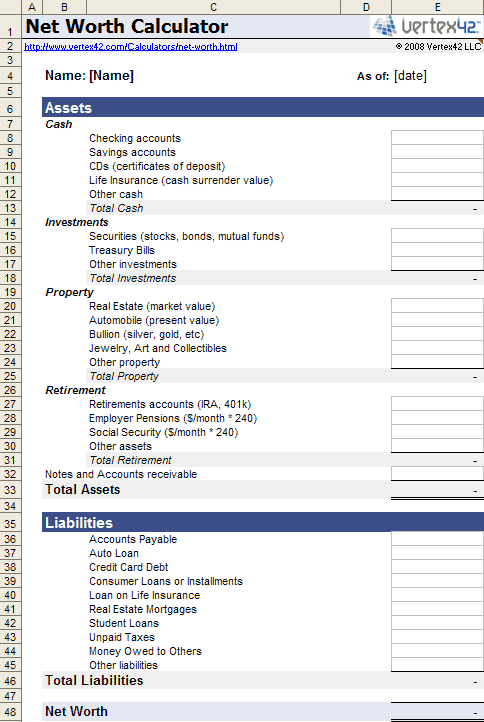
More importantly, monthly tracking kept me focused on long term progress instead of daily fluctuations.
The Lessons That Changed Me
Looking back, I see something clearly.
It was never about earning more first. It was about structure. Simple money systems that stick are boring. They are repetitive. They are predictable.
But that is exactly why they work.
Motivation fades. Systems remain.
I stopped trying to be perfect. Instead, I focused on being consistent. Small transfers. Small check ins. Small boundaries.
And over time, those small actions built confidence. Then stability. Then growth.
Your First Step Today
If you feel overwhelmed, do not try to fix everything at once.
Instead, start with one system:
- Schedule a weekly money check in
- Automate one savings transfer
- Create a 24 hour purchase rule
That is it.
Simple money systems that stick are not about dramatic change. They are about quiet control.
So today, choose one small action. Put it on your calendar. Set it up. And let the system do the work.
Because once your money runs on structure instead of stress, everything changes.