
Many parents want their children to understand money. Yet most kids only see spending, not earning.
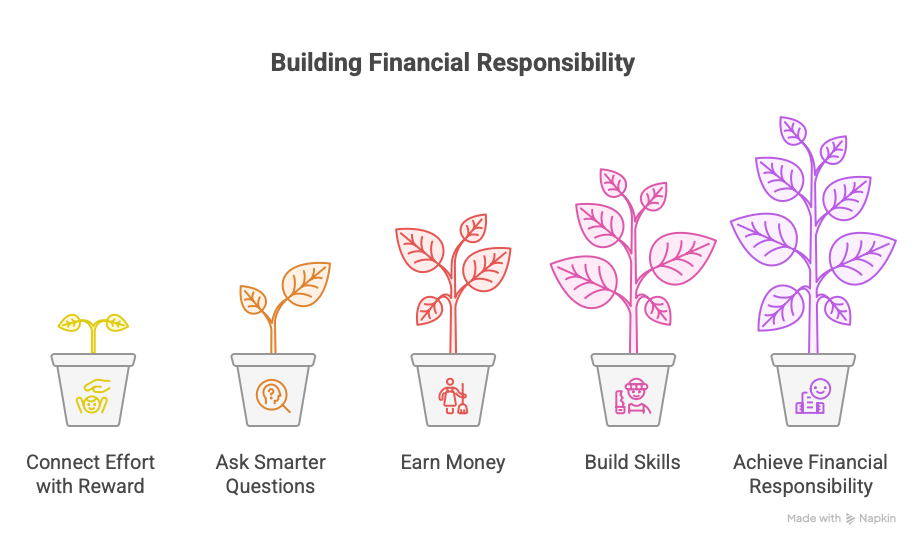
When kids earn their own money, something important happens. They begin to connect effort with reward. They start asking smarter questions about saving, spending, and value.
In other words, earning becomes the first step toward financial responsibility.
The good news is that kids do not need complicated business ideas. Simple opportunities around the home and neighborhood can teach powerful money lessons.
Below are 11 smart ways for kids to earn money while building real-world skills.
Why Kids Should Learn to Earn Money Early
Children who earn money tend to develop a healthier relationship with it. Instead of viewing money as something that simply appears, they begin to understand effort, patience, and decision-making.
More importantly, earning introduces three key money habits:
- Work before reward
- Saving before spending
- Understanding the value of time
According to the Consumer Financial Protection Bureau, children start forming money habits as early as age seven. That means small earning opportunities can create lifelong financial behaviors.
1. Helping Neighbors With Yard Work
Simple outdoor tasks are often the easiest way for kids to start earning.
Kids can help with:
- Raking leaves
- Pulling weeds
- Watering plants
- Sweeping driveways
These tasks require minimal skill but teach consistency and responsibility.
Even earning $5–$10 per small job can help children feel proud of their effort.
2. Running a Lemonade or Snack Stand
A lemonade stand may seem old-fashioned, but it still works.
It teaches kids several practical lessons:
- Pricing products
- Talking with customers
- Managing small amounts of cash
More importantly, kids learn that profit requires effort and planning.
For example, if lemonade costs $4 to make and they sell $10 worth, they can see how profit works in a very simple way.
3. Selling Old Toys or Books
Most kids have toys they no longer use.
Instead of letting them collect dust, children can sell them through:
- A neighborhood garage sale
- Community marketplaces
- Local school swap events
This teaches an important lesson: unused items can become money.
Parents can also show kids how to set prices and negotiate politely.
4. Pet Sitting for Neighbors
Many neighbors travel or work long hours. Kids can help by feeding pets or checking water bowls.
Common tasks include:
- Feeding cats or dogs
- Walking small dogs
- Cleaning pet bowls
Pet sitting teaches reliability. When someone trusts a child to care for an animal, responsibility becomes real.
5. Washing Cars
Car washing remains one of the easiest money-making opportunities for kids.
All that is needed is:
- A bucket
- Soap
- Towels
Kids can offer simple services like:
- Exterior washing
- Interior trash cleanup
Even $10 per car can add up quickly on a weekend afternoon.
6. Helping With Household Chores
While basic chores should not always be paid, extra tasks can create earning opportunities.
Examples include:
- Organizing the garage
- Cleaning outdoor furniture
- Washing windows
- Helping with seasonal decorations
This approach teaches children that extra effort leads to extra rewards.
7. Babysitting (for Older Kids)
Older children or teenagers can earn money babysitting younger kids.
This job helps develop:
- Responsibility
- Problem solving
- Communication skills
Parents often prefer babysitters who already live in the neighborhood.
8. Recycling for Cash
In some areas, recycling programs pay small deposits for returned bottles or cans.
Kids can collect recyclables from:
- Family gatherings
- Parks
- Neighborhood cleanups
While the money may be small, the lesson is powerful: waste can have value.
9. Teaching a Skill
Some kids already have useful talents.
For example:
- A child who plays piano can help beginners practice.
- A tech-savvy kid can help grandparents with phones.
- A strong student can help classmates study.
Teaching builds confidence while reinforcing their own skills.
10. Selling Simple Crafts
Creative kids can sell handmade items such as:
- Friendship bracelets
- Painted rocks
- Handmade greeting cards
These projects introduce children to creativity and entrepreneurship.
They also learn that unique products can attract buyers.
11. Starting a Small Neighborhood Service
Finally, kids can create a simple service that solves a small problem.
Examples include:
- Trash can return service after pickup
- Snow shoveling in winter
- Bringing in packages for neighbors
Small services often turn into repeat customers.
That is how many entrepreneurs start — by solving simple problems.
A Simple Framework to Teach Kids About Money
Once kids start earning, parents can introduce a simple system for managing it.
A helpful approach is the three-bucket method:
1. Spend
A small portion for fun purchases.
2. Save
Money set aside for bigger goals.
3. Give
A small portion for helping others.
Many personal finance experts, including those who follow long-term investing principles popularized by John C. Bogle, emphasize that small habits formed early often lead to stronger financial discipline later.
The Real Goal Is Not Just Money
Teaching kids to earn money is not about raising entrepreneurs or pushing hustle culture.
Instead, it is about helping children understand:
- effort
- value
- patience
- responsibility
When kids earn even small amounts, they start making smarter choices. They learn that money does not appear instantly — it is created through effort and time.
That lesson alone can shape how they handle money for the rest of their lives.