
Car insurance is a necessary expense for drivers, but it doesn’t have to drain your wallet. Many drivers unknowingly overpay for coverage simply because they haven’t explored the available options to lower car insurance costs.
The truth is that insurance companies use a variety of factors to calculate premiums, including your driving history, vehicle type, location, and even your credit score. By understanding these factors and making a few strategic adjustments, you can significantly reduce your insurance expenses.
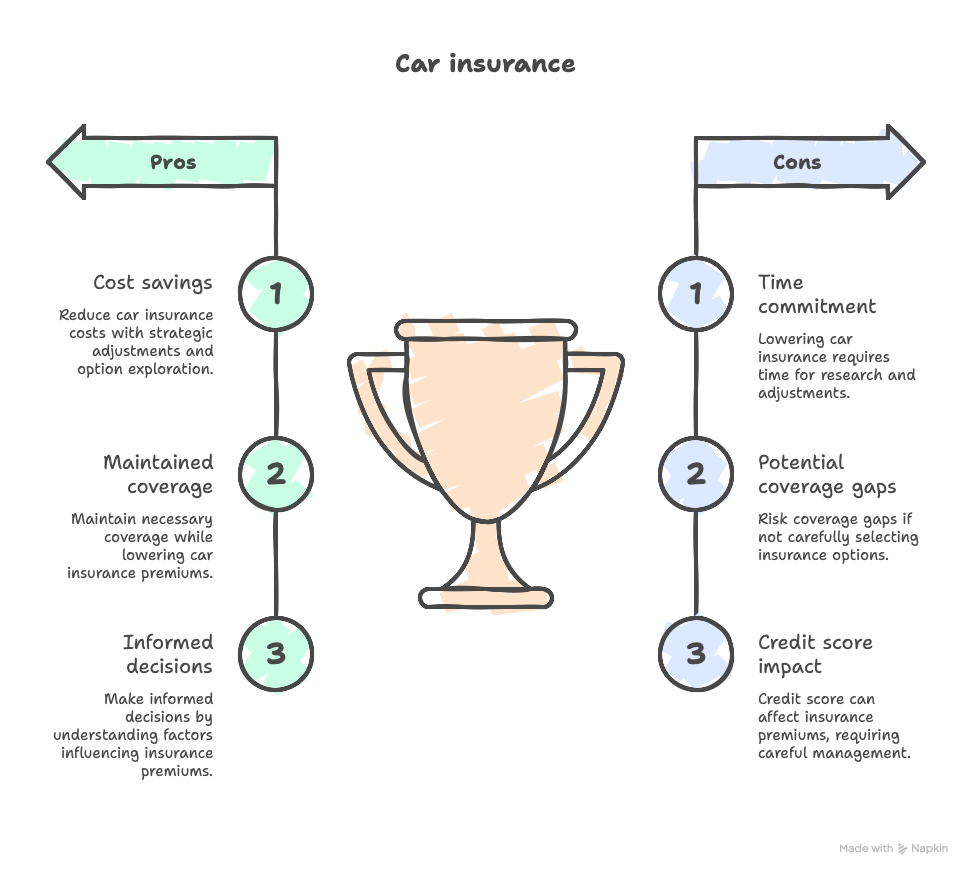
Understanding How Car Insurance Premiums Are Calculated
Insurance companies determine premiums based on risk. The higher the risk of an accident or claim, the more you will pay for coverage.
Several important factors influence the cost of car insurance.
Driving Record Impact
Your driving history plays one of the biggest roles in determining your premium.
Drivers with:
- Multiple accidents
- Speeding tickets
- Traffic violations
are considered higher risk by insurance companies.
On the other hand, maintaining a clean driving record often leads to significant discounts.
Safe drivers can save 10–30% or more depending on the insurer.
Tips to maintain a good driving record:
- Follow speed limits
- Avoid distracted driving
- Keep safe distances on highways
- Obey traffic signals
Even a single accident can raise premiums for several years, so safe driving is one of the most effective ways to reduce insurance costs.
Location, Age, and Vehicle Type
Where you live also affects insurance prices. Drivers in urban areas typically pay higher premiums because there are:
- More accidents
- Higher theft rates
- Increased traffic congestion
Age is another major factor. Younger drivers often pay more because they have less driving experience.
Vehicle type also impacts costs. Cars with high repair costs or powerful engines usually come with higher premiums.
Vehicles that often cost less to insure include:
- Family sedans
- Vehicles with high safety ratings
- Cars with lower repair costs
Choosing the right vehicle can dramatically help lower car insurance over time.
Shop Around for Better Insurance Quotes
One of the easiest ways to save money is by comparing multiple insurance providers.
Many drivers stay with the same insurer for years without realizing that better deals may be available elsewhere.
Insurance companies use different algorithms to determine pricing, meaning the same driver can receive dramatically different quotes.
Experts recommend comparing quotes at least once per year.
Online Comparison Tools
Online comparison tools allow drivers to view quotes from multiple insurers within minutes.
These tools provide benefits such as:
- Quick price comparisons
- Transparent coverage options
- Easy policy customization
Some drivers save hundreds of dollars annually simply by switching companies.
For additional guidance about car insurance savings strategies, visit:
https://www.consumerreports.org/money/car-insurance/how-to-save-on-car-insurance-a7697582478/
Switching Insurance Companies
Switching insurers is easier than most drivers think.
Steps include:
- Compare quotes
- Confirm coverage details
- Cancel old policy after new coverage begins
- Avoid coverage gaps
Timing your switch around your renewal date often prevents cancellation fees.
Increase Your Deductible
A deductible is the amount you pay out of pocket before insurance coverage begins.
Higher deductibles generally lead to lower monthly premiums.
For example:
| Deductible | Estimated Premium Reduction |
|---|---|
| $250 | Standard premium |
| $500 | 10–15% lower |
| $1000 | 20–30% lower |
However, you should only choose a higher deductible if you can afford to pay it in case of an accident.
A good strategy is to place the deductible amount in an emergency savings account.
Choosing the Right Deductible
When choosing a deductible, consider:
- Your savings cushion
- Your driving habits
- Your accident history
Drivers with safe driving records may benefit from higher deductibles since they are less likely to file claims.
Bundle Insurance Policies
Insurance companies often provide discounts when you purchase multiple policies from the same provider.
Common bundle combinations include:
- Auto + home insurance
- Auto + renters insurance
- Auto + life insurance
These bundles can reduce premiums by 10–25%.
Bundling also simplifies billing and policy management.
Maintain a Good Credit Score
In many regions, insurers use credit scores to evaluate risk.
Drivers with higher credit scores often receive lower insurance rates because they are considered more financially responsible.
Ways to improve your credit score include:
- Paying bills on time
- Reducing credit card balances
- Avoiding excessive credit inquiries
- Monitoring your credit report regularly
Even moderate improvements in credit score can reduce premiums over time.
Take Advantage of Driver Discounts
Many insurance companies offer a variety of discounts that drivers overlook.
These may include:
- Safe driver discounts
- Good student discounts
- Military discounts
- Senior driver discounts
- Multi-car discounts
Always ask your insurer about available discounts.
Defensive Driving Courses
Completing a defensive driving course can lead to insurance discounts.
These courses teach drivers how to:
- Anticipate road hazards
- Improve reaction time
- Avoid collisions
Insurance companies reward drivers who demonstrate safer driving habits.
Low Mileage Discounts
Drivers who travel fewer miles each year may qualify for reduced premiums.
If you:
- Work from home
- Use public transportation
- Drive short distances
you may qualify for a low-mileage discount.
Improve Vehicle Safety Features
Modern safety technology reduces accident risks.
Insurance companies often reward vehicles equipped with:
- Anti-lock brakes
- Airbags
- Lane departure warning
- Anti-theft systems
- Automatic emergency braking
Installing an anti-theft system alone can reduce premiums.
Drive Less and Use Telematics
Usage-based insurance programs track driving behavior using mobile apps or in-car devices.
These programs evaluate factors such as:
- Speed
- Braking habits
- Mileage
- Time of driving
Safe drivers can earn discounts ranging from 10–40%.
Avoid Small Claims
Filing multiple small claims can increase premiums.
Instead, consider paying for minor repairs yourself when possible.
This keeps your claim history clean and protects your premium rates.
Choose Your Vehicle Carefully
Some vehicles cost more to insure due to higher repair costs or increased theft risk.
Cars that often have lower insurance premiums include:
- Mid-size sedans
- Family SUVs
- Vehicles with high safety ratings
Before purchasing a new vehicle, check insurance estimates to avoid unexpected costs.
Review Your Policy Annually
Many drivers continue paying for coverage they no longer need.
For example, older vehicles may no longer require:
- Collision coverage
- Comprehensive coverage
Reviewing your policy yearly ensures you are not paying for unnecessary protection.
Frequently Asked Questions
1. What is the fastest way to lower car insurance?
Comparing insurance quotes from multiple providers is often the fastest way to find cheaper premiums.
2. Does a higher deductible always lower premiums?
Yes, increasing your deductible usually reduces monthly premiums, but you should ensure you can afford the deductible in case of an accident.
3. Can good driving reduce insurance costs?
Yes. Maintaining a clean driving record can significantly lower insurance premiums over time.
4. Do older cars cost less to insure?
Often yes. Older vehicles usually have lower replacement costs, which reduces insurance premiums.
5. How often should I compare insurance quotes?
Experts recommend comparing quotes at least once per year.
6. Are telematics insurance programs worth it?
For safe drivers, telematics programs can provide large discounts based on responsible driving habits.