
Managing household expenses has become more challenging in recent years. Rising prices for food, utilities, and everyday necessities can make it feel like money disappears faster than ever.
The good news? With a few smart strategies, you can significantly cut household costs without sacrificing comfort or quality of life. In fact, many families discover they can save hundreds—or even thousands—of dollars per year simply by making small adjustments to their daily habits.
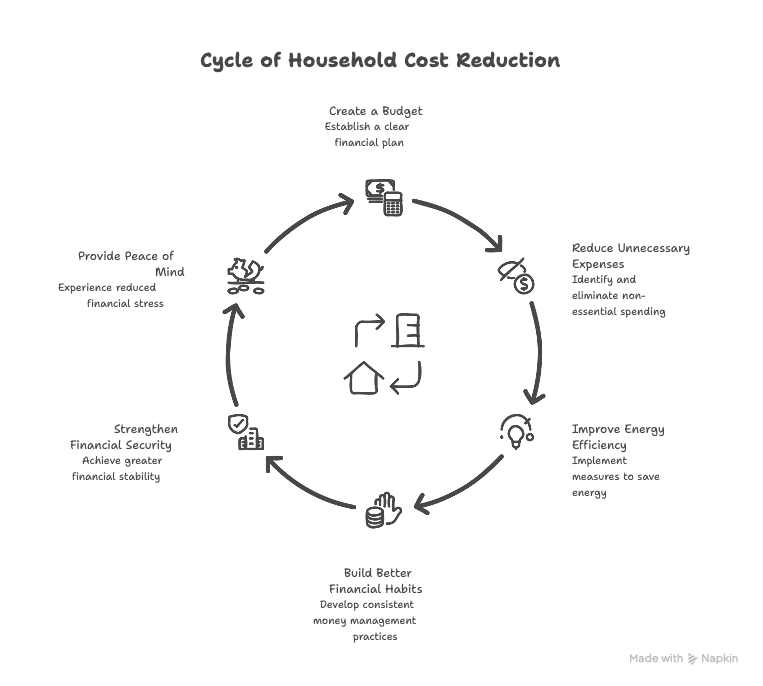
This guide explores practical, easy-to-implement methods that will help you take control of your finances and build a more secure future.
Understanding Why Household Expenses Keep Rising
Many people struggle with increasing living costs without fully understanding why their expenses continue to grow. Several factors contribute to this financial pressure.
The True Impact of Small Daily Spending
Small purchases often feel harmless—coffee on the way to work, takeout meals, or impulse online shopping. However, these micro-expenses can quietly add up.
For example:
| Daily Expense | Monthly Cost | Yearly Cost |
|---|---|---|
| Coffee | $5/day | $150/month |
| Takeout lunch | $10/day | $300/month |
| Streaming services | $15/month | $180/year |
Seeing the numbers in context can be eye-opening. Identifying these patterns is the first step toward reducing spending.
Identifying Financial Leaks
Financial leaks are unnecessary expenses that drain your budget. These often include:
- Forgotten subscriptions
- Unused memberships
- High-interest debt
- Excessive utility usage
- Impulse purchases
Taking time to review your bank statements each month can help uncover these hidden costs.
Create a Practical Household Budget
A well-structured budget is the foundation of any effort to cut household costs.
Without a clear understanding of where your money goes, it’s almost impossible to reduce expenses effectively.
Track Every Expense
Start by tracking spending for at least 30 days. This includes:
- Bills
- Groceries
- Dining out
- Transportation
- Entertainment
- Online purchases
Budgeting apps such as Mint, YNAB, or PocketGuard can simplify this process. You can also track expenses using a spreadsheet.
Use the 50/30/20 Rule
A popular budgeting framework divides income into three categories:
| Category | Percentage | Purpose |
|---|---|---|
| Needs | 50% | Housing, groceries, utilities |
| Wants | 30% | Entertainment, travel |
| Savings | 20% | Emergency funds and investments |
Following this rule ensures you prioritize essentials while still saving money.
Reduce Energy Consumption at Home
Utility bills often account for a large portion of household expenses. Fortunately, there are several simple ways to reduce energy usage.
Smart Thermostat and Temperature Control
Heating and cooling can represent up to 40% of your energy bill.
Try these tips:
- Set thermostats slightly lower in winter and higher in summer
- Use programmable thermostats
- Seal windows and doors to prevent air leaks
Even adjusting your thermostat by just 1–2 degrees can significantly reduce energy consumption.
Energy-Efficient Appliances
Switching to energy-efficient appliances can save money over time. Look for products with the ENERGY STARcertification.
Examples include:
- LED light bulbs
- Energy-efficient refrigerators
- Low-flow showerheads
- Smart power strips
These upgrades reduce electricity use while maintaining performance.
Lower Grocery Bills Without Sacrificing Quality
Food costs are one of the most flexible household expenses, meaning they offer many opportunities to save.
Meal Planning Strategies
Planning meals ahead of time helps reduce food waste and prevents impulse grocery purchases.
Steps to follow:
- Create a weekly meal plan
- Write a shopping list
- Cook larger portions for leftovers
- Freeze unused ingredients
Meal planning also makes cooking easier during busy weeks.
Buying in Bulk and Using Coupons
Buying staple items in bulk often reduces the cost per unit. Items such as rice, pasta, beans, and cleaning supplies are great bulk purchases.
Additionally:
- Use store loyalty programs
- Look for digital coupons
- Compare prices between brands
Store brands frequently offer the same quality as premium products at a lower price.
For more smart grocery saving tips, visit:
https://www.consumer.gov/articles/saving-money-groceries
Cut Transportation Costs
Transportation expenses—including fuel, insurance, and maintenance—can quickly add up.
Carpooling and Public Transportation
Sharing rides with coworkers or using public transportation can significantly reduce commuting costs.
Benefits include:
- Lower fuel expenses
- Reduced vehicle wear
- Environmental benefits
Many cities also offer discounted monthly transit passes.
Regular Vehicle Maintenance
Preventive maintenance helps avoid expensive repairs later.
Important maintenance tasks include:
- Oil changes
- Tire rotation
- Brake inspections
- Air filter replacement
A well-maintained car also improves fuel efficiency.
Reduce Subscription and Entertainment Spending
Subscriptions are convenient but often forgotten. Many households pay for services they rarely use.
Audit Monthly Subscriptions
Check your bank statements for recurring charges such as:
- Streaming services
- Music subscriptions
- Fitness apps
- Gaming platforms
Cancel services you don’t regularly use.
Choose Free or Low-Cost Entertainment
Fun doesn’t have to be expensive. Consider:
- Community events
- Public parks
- Library programs
- Free movie nights at home
These alternatives provide entertainment without straining your budget.
Smart Home Maintenance to Avoid Large Repairs
Preventive maintenance saves money by avoiding expensive repairs later.
Important tasks include:
- Cleaning HVAC filters
- Inspecting roofs and gutters
- Checking plumbing for leaks
- Maintaining appliances
A small issue caught early often costs much less to fix.
Shop Smarter for Household Essentials
Many people overspend on basic household supplies.
Smart shopping tips include:
- Compare prices online
- Use cashback apps
- Buy generic brands
- Shop during sales
Planning purchases instead of buying impulsively can reduce spending significantly.
Use Technology to Manage Finances
Technology can help simplify budgeting and expense tracking.
Popular tools include:
- Budget tracking apps
- Bill reminder apps
- Automatic savings transfers
- Digital coupon platforms
These tools help you stay organized and prevent late fees.
Build Long-Term Money-Saving Habits
Saving money is not a one-time effort—it’s a lifestyle.
Habits that support financial health include:
- Reviewing your budget monthly
- Setting savings goals
- Avoiding impulse purchases
- Cooking at home more often
Over time, these habits create lasting financial stability.
Frequently Asked Questions
1. What is the fastest way to cut household costs?
The quickest way is to review monthly subscriptions, reduce dining out, and lower energy usage. These changes often produce immediate savings.
2. How much money can families save by budgeting?
Many families save 10–20% of their income simply by tracking spending and eliminating unnecessary expenses.
3. Are budgeting apps safe to use?
Yes, most reputable budgeting apps use bank-level encryption to protect financial information.
4. How can I reduce grocery costs quickly?
Meal planning, buying store brands, and using coupons are effective ways to lower grocery bills.
5. What household expenses are easiest to reduce?
Food, entertainment, and subscription services are usually the easiest categories to adjust.
6. Is it possible to cut household costs without changing lifestyle?
Yes. Many savings come from eliminating wasteful spending rather than reducing quality of life.