
Streaming was supposed to replace cable and save us money.
Instead, most households now stack multiple subscriptions:
- Netflix
- Hulu
- Disney+
- Max
- Amazon Prime Video
Individually, each service feels affordable.
However, when combined, the cost quickly adds up. Many households now spend $60–$120 per month, which equals $720–$1,440 per year on entertainment they don’t even use daily.
Fortunately, there’s a smarter solution.
Instead of canceling everything, you can rotate streaming services to save money while still watching the shows you enjoy.
The Big Principle: Subscribe With Intention, Not Habit
Most people subscribe passively.
They keep services active “just in case.”
However, streaming libraries rarely disappear overnight. Shows release in seasons, and movies typically remain available for months.
Because of this, you don’t need every platform at the same time.
Instead, the smarter approach is to rotate streaming services to save money by subscribing strategically.
Step 1: Audit What You Actually Watch
Before rotating subscriptions, review your actual viewing habits.
Ask yourself:
- Which service do I use weekly?
- Which one has a show I’m actively following?
- Which platforms haven’t been opened in 30 days?
Most households discover that one or two services dominate their usage, while the others sit idle.
That insight becomes the foundation for a smarter rotation strategy.
Step 2: Use the 30–60 Day Rotation Rule
Instead of stacking five subscriptions year-round, activate only one or two services at a time.
For example:
- January–February → Netflix
- March–April → Disney+
- May–June → Max
By the time you return to a service, new content has accumulated.
As a result, you still enjoy fresh shows while spending far less.
This is the core technique that allows households to rotate streaming services to save money without feeling deprived.
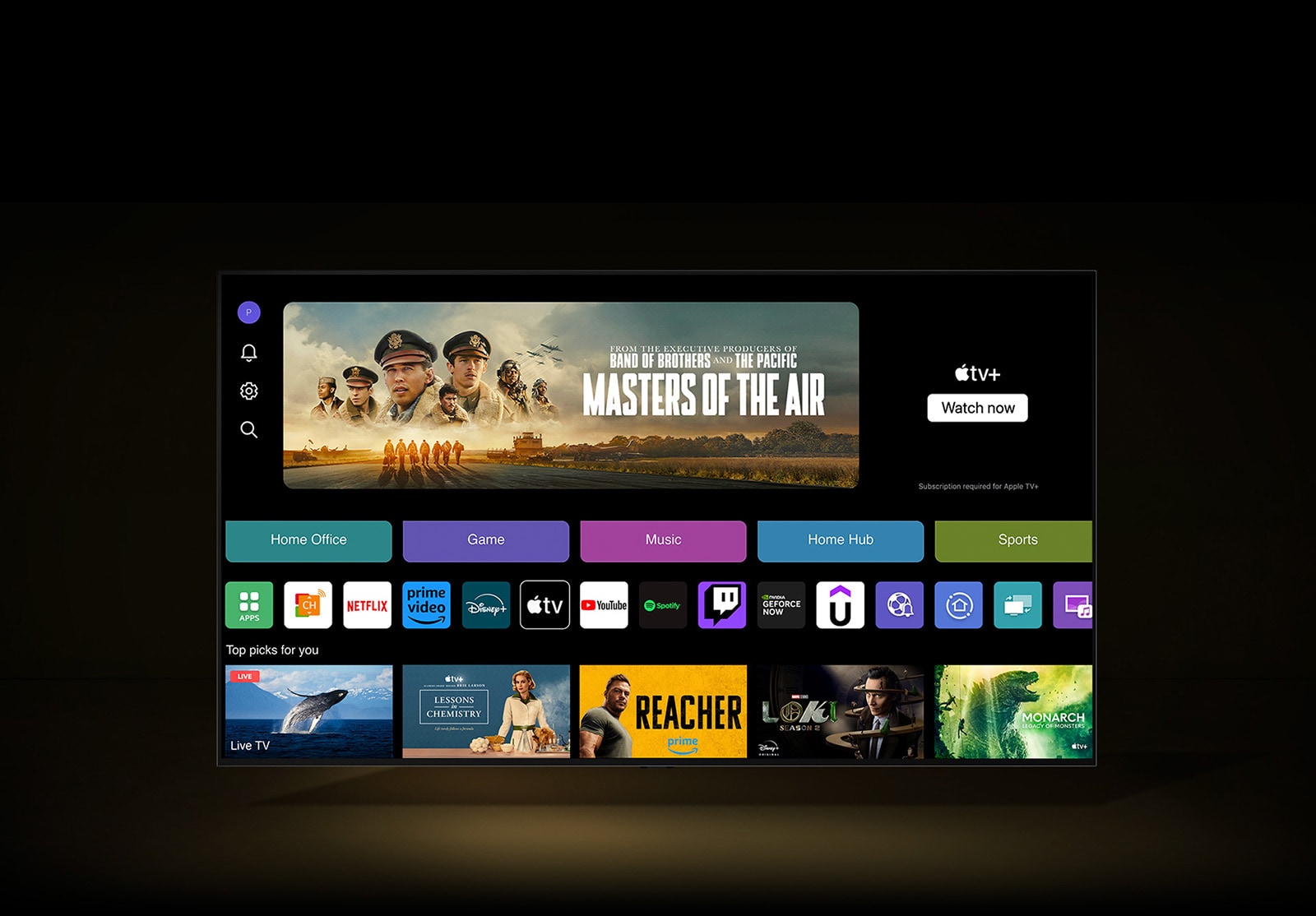
Step 3: Track Release Cycles
Major platforms release flagship shows at predictable times.
Instead of paying year-round for one show:
- Wait until the full season releases.
- Subscribe for one month.
- Watch the season.
- Cancel immediately.
For example:
One month at $15
instead of six months at $15.
That’s $75 saved from one show alone.
Therefore, learning to rotate streaming services to save money often comes down to timing.
Step 4: Pause Instead of Permanently Canceling
Many platforms allow temporary account pauses.
This makes rotating extremely easy.
Set reminders such as:
- “Cancel Hulu on the 28th”
- “Re-evaluate Disney+ in 60 days”
Intentional timing prevents autopay creep and keeps subscriptions aligned with actual usage.
Step 5: Evaluate Bundles Carefully
Some platforms bundle services at discounted prices.
However, pause before subscribing.
Ask yourself:
- Would I pay for both services individually?
- Or am I paying for access I rarely use?
Bundles sometimes create the illusion of savings.
However, unused access is still wasted money.
Remember: math always beats marketing.
Step 6: Share Subscriptions Strategically
Some services allow household sharing within their policies.
If family members live together, coordinating subscriptions can prevent duplication.
However, always review each platform’s account-sharing rules first to stay compliant.
Step 7: Check Free Streaming Alternatives
Before re-subscribing, explore free options.
For example, many public libraries provide access to Kanopy, a free streaming platform with thousands of movies and documentaries.
Because library access is often overlooked, many households already have free streaming available without realizing it.
Additionally, free trials can be used strategically — just avoid stacking them at the same time.
Realistic Savings Example
Imagine a household currently paying:
Netflix – $16
Hulu – $15
Disney+ – $14
Max – $16
Prime Video – $9
Total: $70 per month
Annual cost: $840
If that household rotates services and keeps only two active at a time:
Average monthly cost: $30–$35
Annual cost: ~$420
That’s $400+ saved per year without sacrificing entertainment.
Over five years, the savings reach $2,000 from a single financial adjustment.
Why the Streaming Rotation Strategy Works
Streaming subscriptions are built on two psychological triggers:
- Convenience
- Fear of missing out
However, when you rotate streaming services to save money, those triggers disappear.
Rotation replaces:
- Autopilot billing
- Passive stacking
- “Just in case” subscriptions
Instead, it creates:
- Intentional access
- Seasonal viewing
- Controlled spending
You still enjoy the content.
You simply stop paying for unused access.
The Professional Mindset
Think like a portfolio manager.
Investors don’t hold every asset simultaneously.
Instead, they allocate capital where value is highest.
Entertainment spending works the same way.
Rotating subscriptions allows you to allocate money intentionally rather than paying for convenience.
Final Thought
You don’t need extreme budgeting to save money.
Instead, you need awareness and rotation.
Once you start to rotate streaming services to save money, you’ll likely save hundreds every year — quietly and consistently.
Moreover, when you combine this strategy with other financial optimizations, the impact compounds.
For example:
→ Related: Most Overlooked Recurring Expenses
Small systems create large results.
And sometimes, building wealth starts with something as simple as canceling a subscription.